- About Us
-
-
Our Blogs
-
-
- Services
-
- Technology
-
- Hire Tech Experts
-
Understand business needs objectives
Propose tech stack, timelines architecture
Sprint-based development with regular demos
Final testing and go-live with complete documentation
Ongoing maintenance, upgrades scale-up
Understand business needs objectives
Propose tech stack, timelines architecture
Sprint-based development with regular demos
Final testing and go-live with complete documentation
Ongoing maintenance, upgrades scale-up

We help define the ideal stack
Our architects suggest best options
With estimation, milestones & approach
Flexible delivery model: fixed or dedicated

Get expert tech consultation at no cost.
Get Free Tech AdviceBrief us on your needs (tech stack, duration, etc.)
Receive matched profiles within 24–48 hours
Interview the candidates and choose the right fit
Kick off the project seamlessly with our support

Managing product information across multiple eCommerce stores, POS systems, and suppliers can quickly become a complex operational challenge.
Our client, a leading eCommerce company in Norway, was managing product information across WooCommerce stores, a Datanova-based POS system, and multiple supplier sources.
Product data was distributed across different systems, making it difficult to maintain consistency, quickly launch new products, and ensure that customers received accurate information across every channel.
Appeak designed and implemented a centralized Product Information Management (PIM) platform to bring product data into one controlled ecosystem.
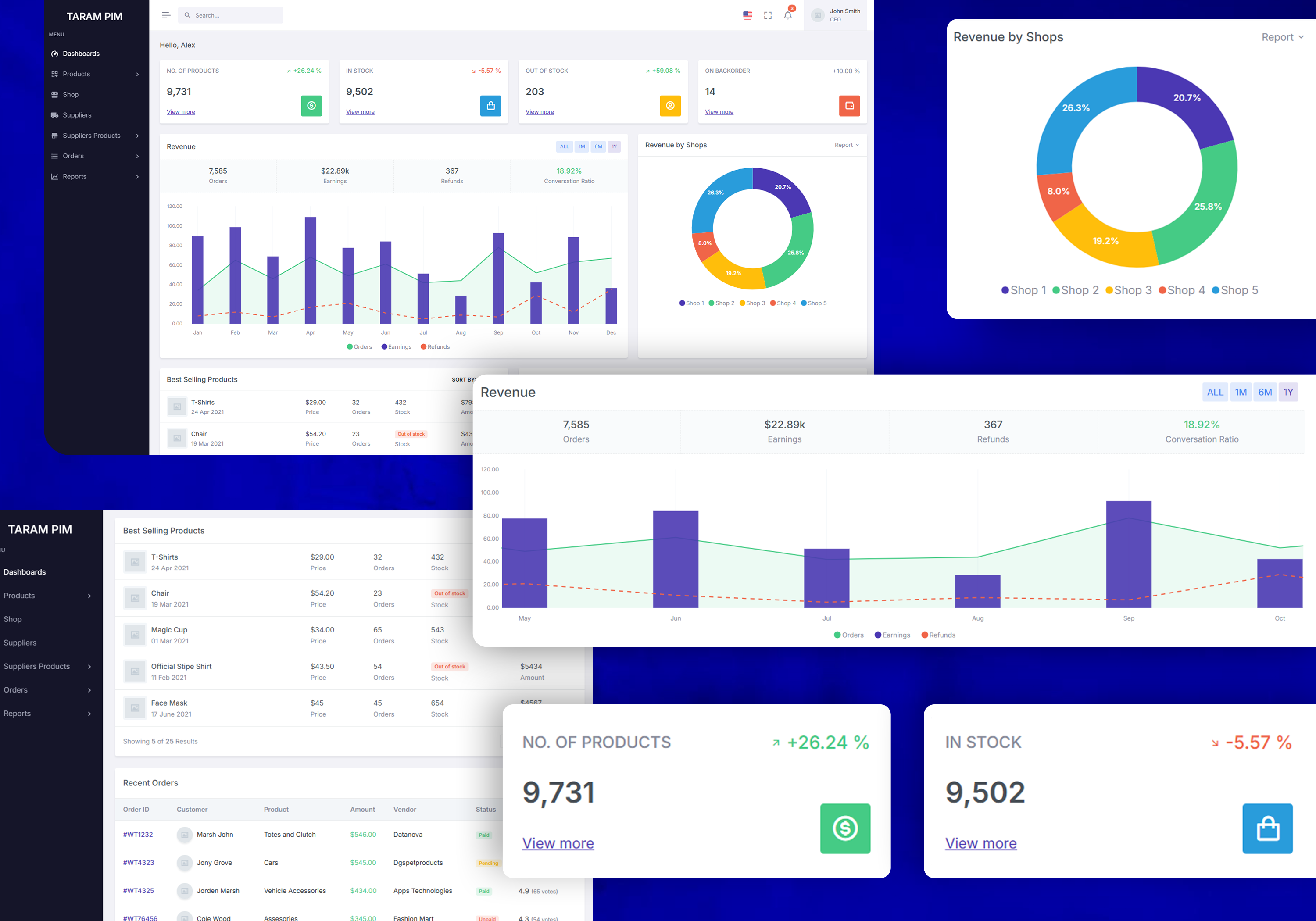
The platform acts as a single source of truth, allowing the business to manage, enrich, validate, and distribute product information across its digital commerce infrastructure.
eCommerce & Retail
Enterprise Software · PIM
Web · Cloud
PHP · MySQL · REST API · WooCommerce
Product Data · Supplier Integration · Data Quality · Automation
The client’s product ecosystem had grown across multiple platforms and suppliers, creating several operational challenges.
Centralize product information within one scalable PIM platform.
Introduce validation, standardization, and governance rules to improve accuracy and completeness.
Use AI-assisted capabilities to generate and improve product descriptions and other content.
Reduce manual work involved in importing, creating, updating, and publishing products.
Enable the business to move new products from supplier data to customer-facing channels faster.
Automatically distribute consistent product information to multiple WooCommerce websites and connected systems.
At Appeak, we began by analyzing the client’s existing product ecosystem, data sources, integrations, and operational workflows.
Instead of introducing another isolated system, we designed the PIM as a central data layer connecting suppliers, internal teams, eCommerce platforms, and POS infrastructure.
The platform provides a structured workflow for the complete product lifecycle:
Import → Validate → Enrich → Approve → Publish → Synchronize
Product information can enter the platform through bulk files or supplier APIs, where it can then be validated, enriched, reviewed, and distributed to connected channels.
This approach transformed product management from a largely manual process into a more centralized, governed, and automated workflow.
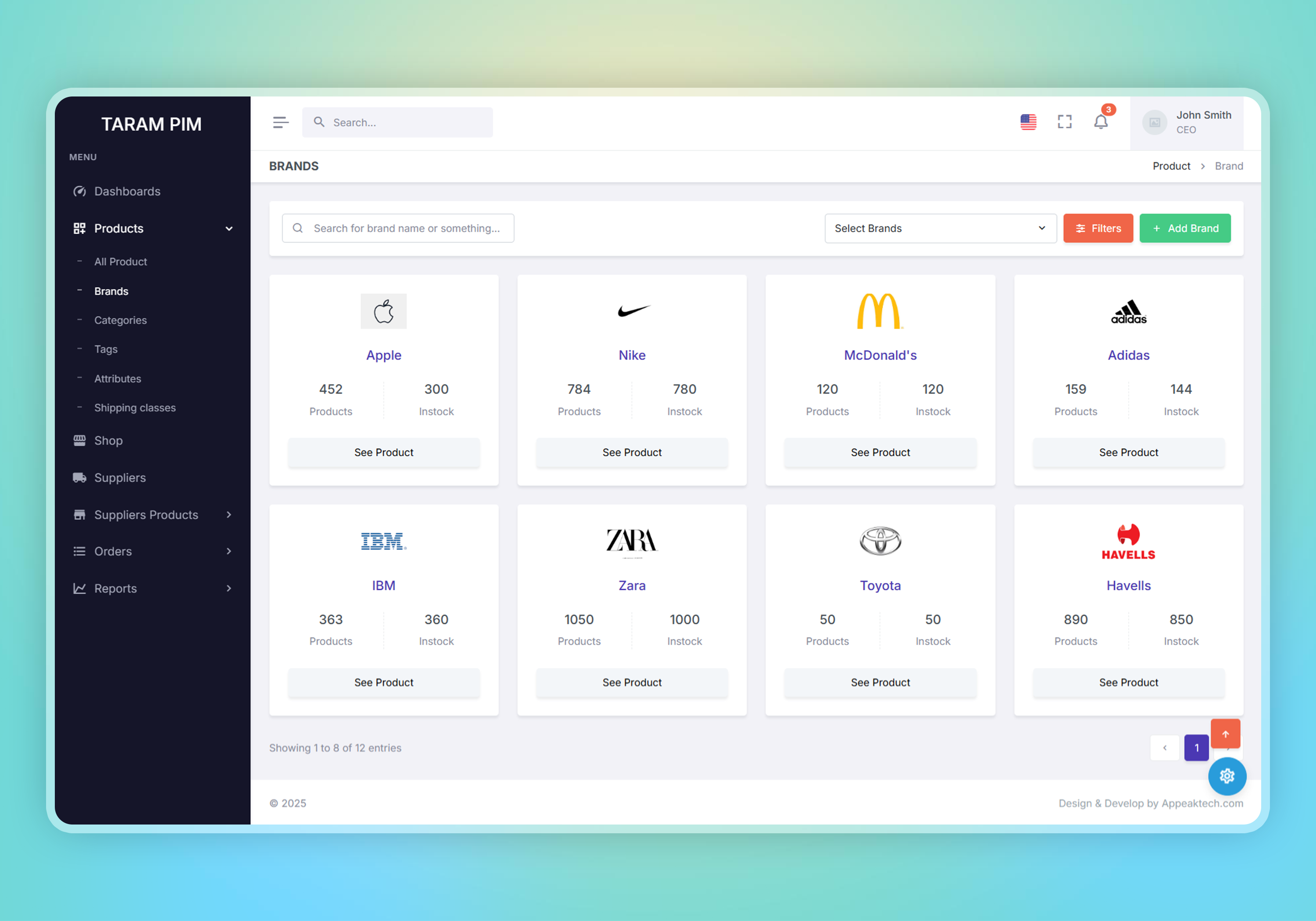
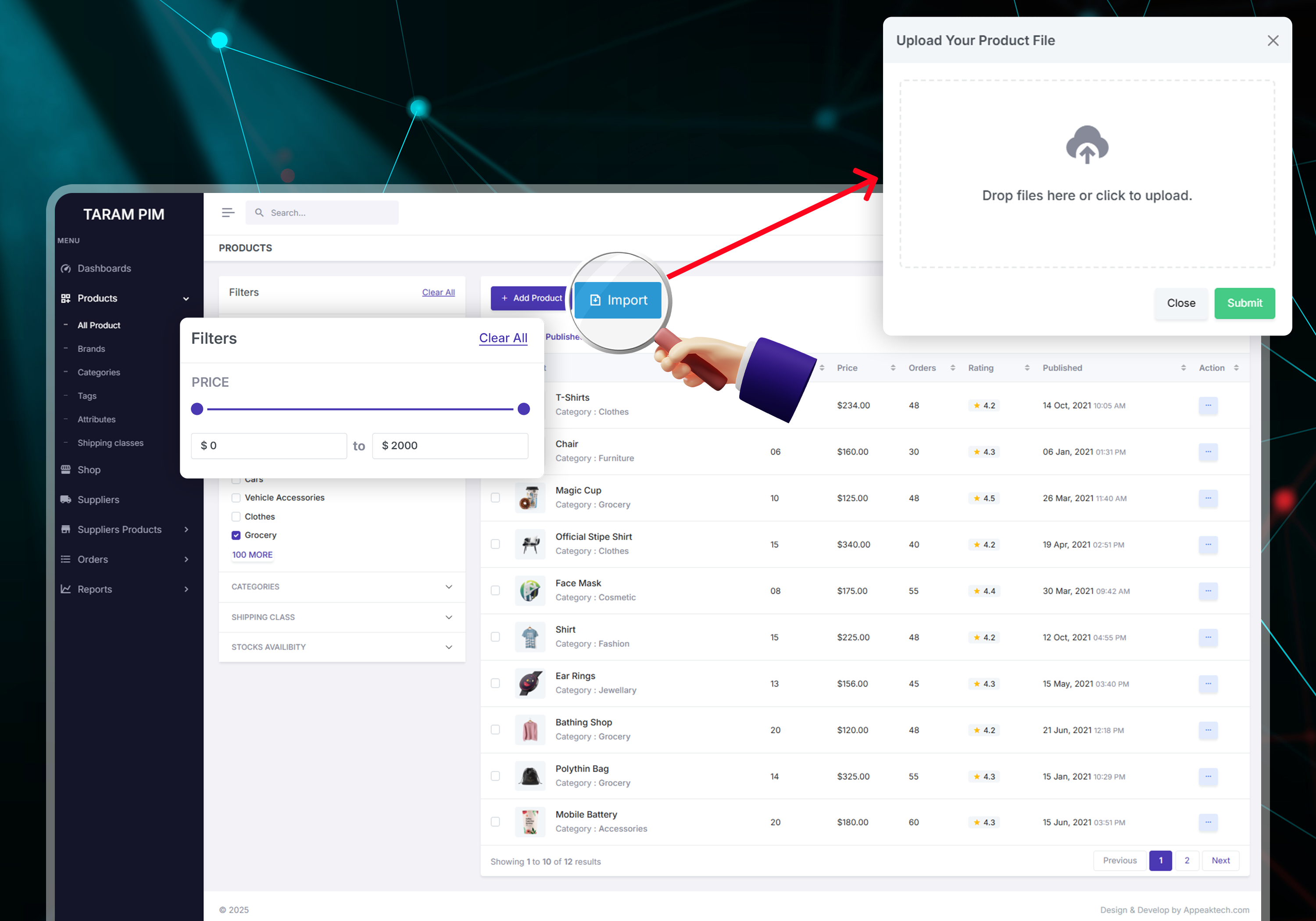
The PIM provides a single platform for managing product information, including:
This creates a centralized source of truth for product information.
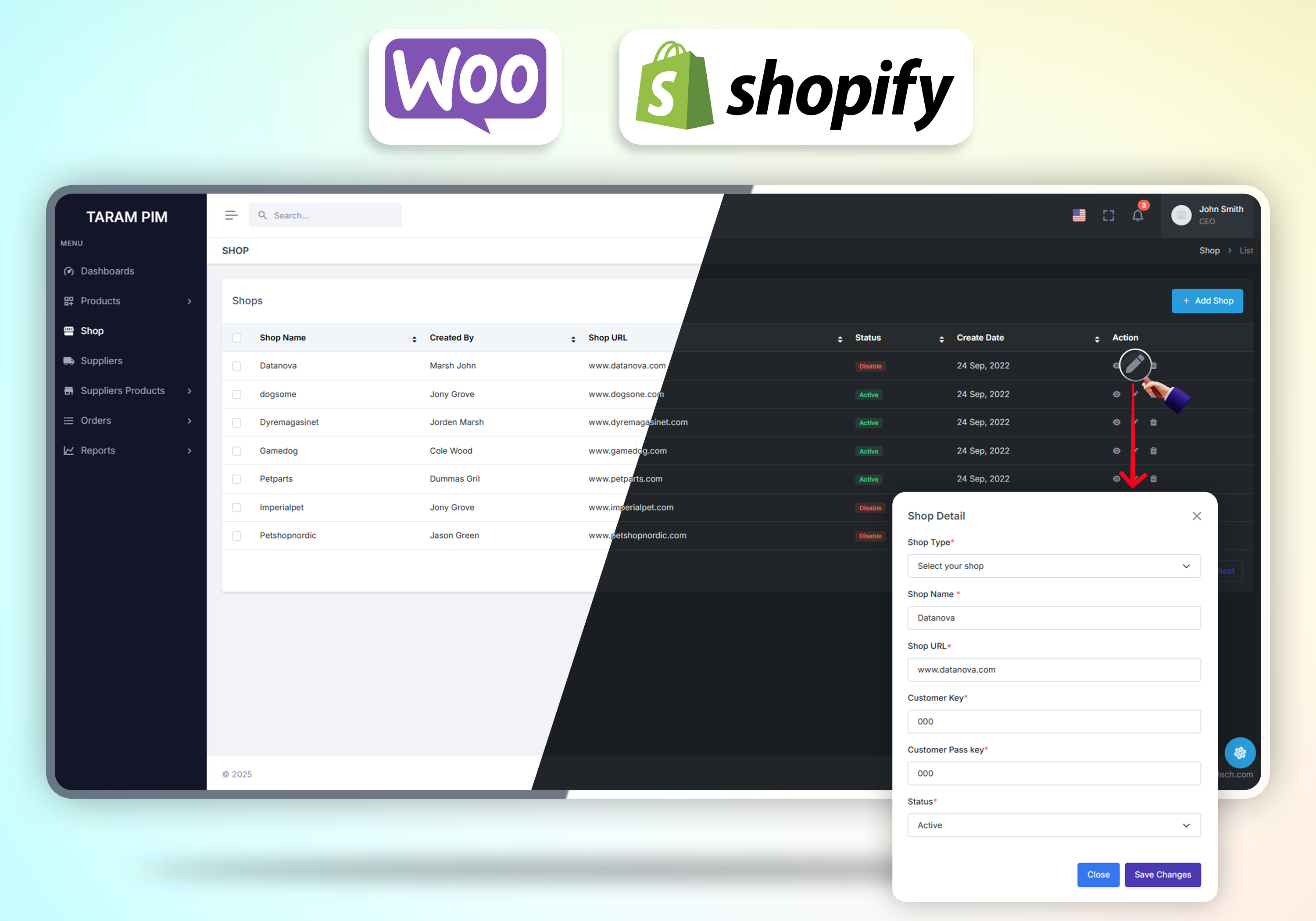
Automated synchronization distributes product information to connected eCommerce platforms and other systems. The platform integrates with WooCommerce and the client's POS ecosystem to reduce repetitive manual updates.
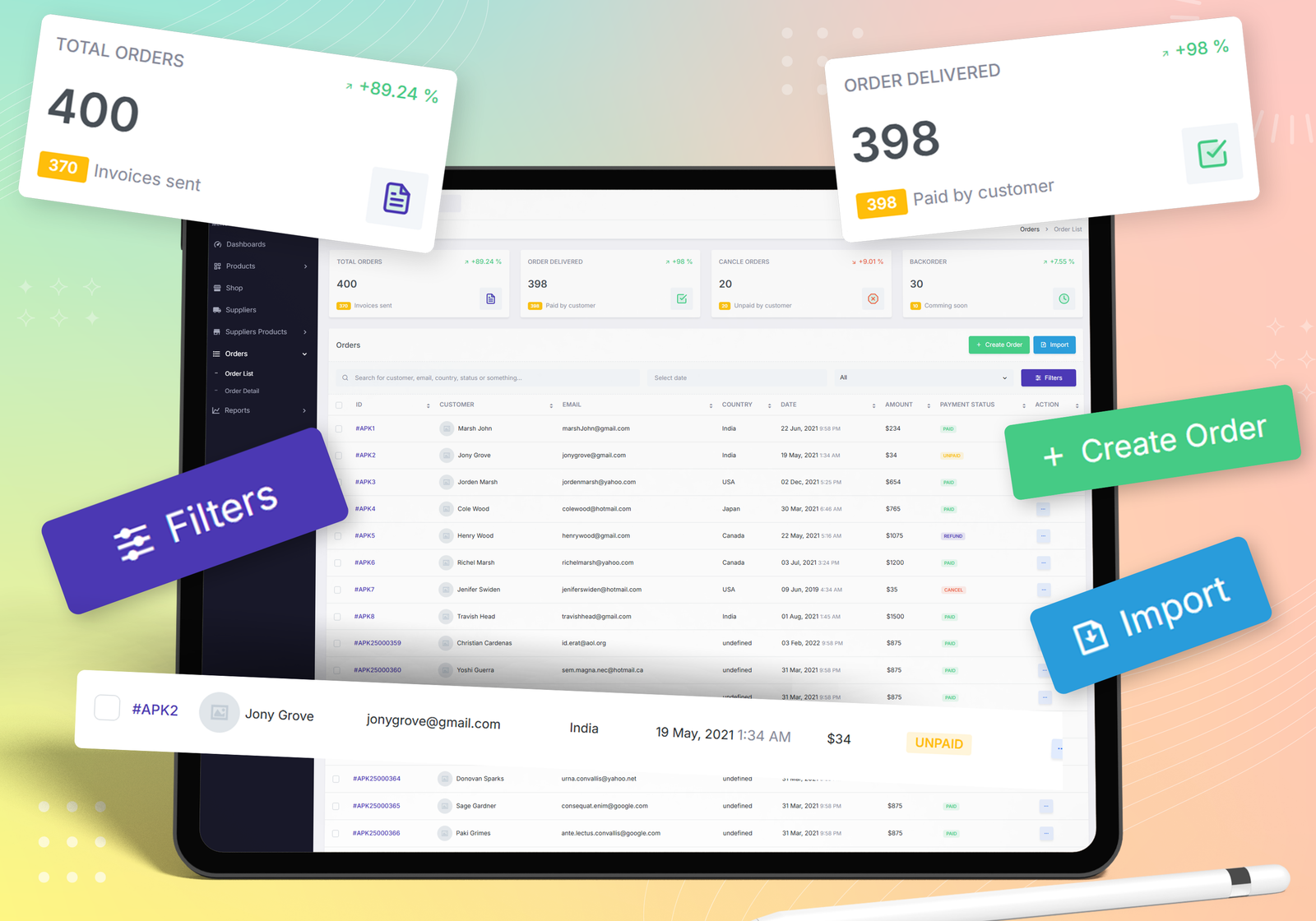
Teams can import large volumes of product data using structured Excel files and other supported formats. Export functionality allows product information to be prepared for downstream systems and third-party integrations.
Supplier APIs can be connected directly to the PIM, allowing product information to flow into the centralized product repository. This reduces manual supplier data entry and creates a foundation for automated product onboarding.
Custom validation rules help ensure product information meets defined requirements before it can move through the publishing workflow. The system can identify incomplete, inconsistent, or invalid information before it reaches customer-facing channels.
AI capabilities were introduced to assist with generating and improving product descriptions. This helps teams transform basic supplier information into more useful, structured, and SEO-friendly product content.
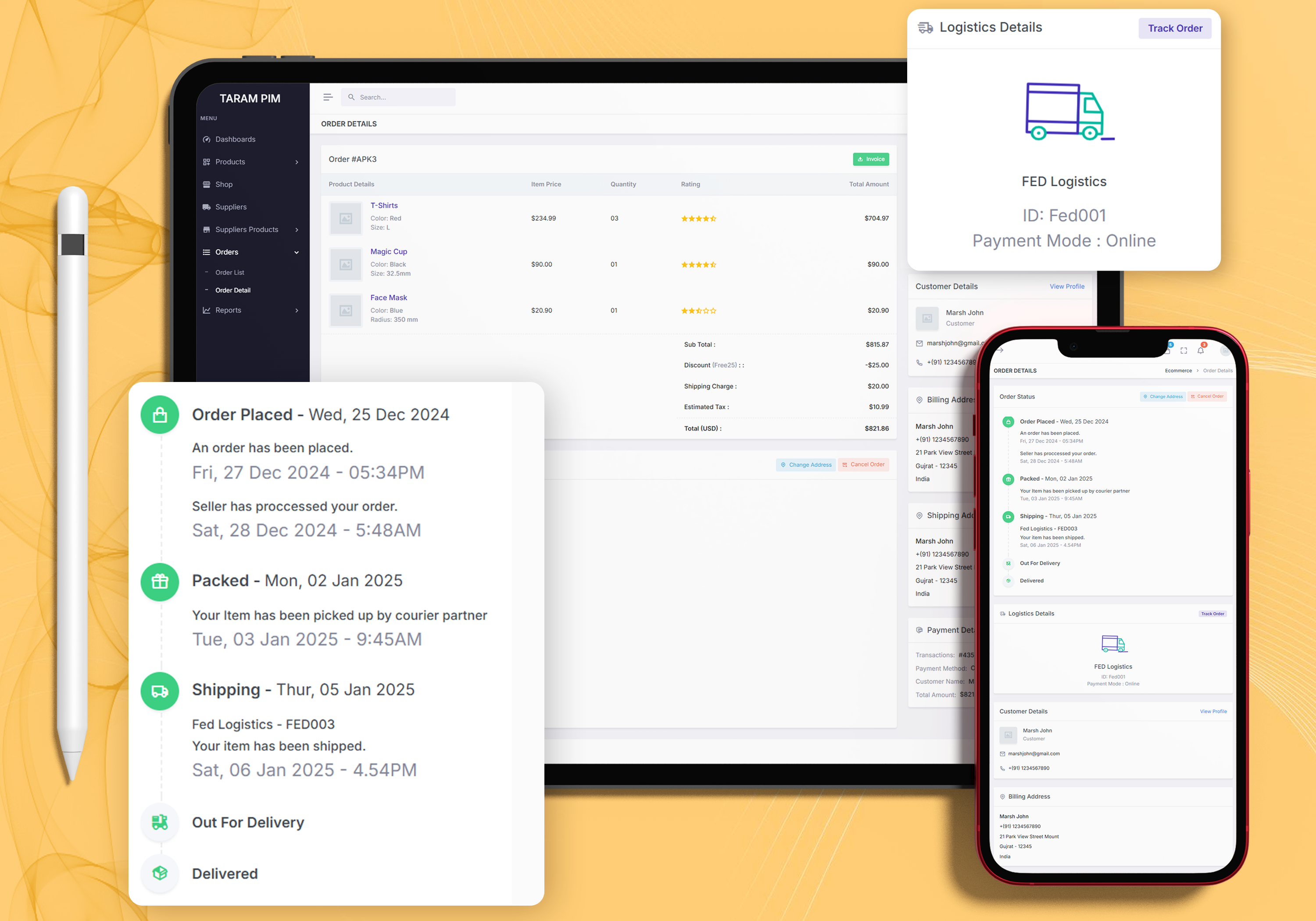
Role-based workflows allow teams to manage product creation, editing, review, approval, and publishing. This provides greater control over who can modify and approve product information.
Teams can enhance product records with:
This helps improve the quality of product information before distribution.
Once product information has been validated and approved, it can be distributed across connected WooCommerce stores and other supported channels. This helps maintain consistency across the commerce ecosystem.
The platform required an architecture capable of handling large product catalogs, multiple data sources, external integrations, and continuous synchronization.
Used to build the core PIM application, business logic, workflows, and data management capabilities.
Used to manage structured product information, relationships, attributes, categories, synchronization data, and operational records.
Used to connect the PIM with external systems, suppliers, and commerce platforms.
Used to synchronize product information with connected WooCommerce environments.
The platform was deployed in a cloud environment to support scalability, availability, and integration requirements.
Product information originated from different suppliers, eCommerce stores, and POS systems.
We created a centralized PIM architecture that consolidates product information into one controlled repository and provides structured integration points for external systems.
Different suppliers can provide product information in different formats and levels of completeness.
We introduced structured import processes, validation rules, and enrichment workflows to standardize product information before publication.
Teams were spending significant time entering and updating product information across multiple platforms.
Bulk imports, supplier API integrations, automated synchronization, and workflow-based publishing reduced repetitive manual operations.
Updating multiple eCommerce stores individually created opportunities for product information to become inconsistent.
The PIM acts as the central source of truth and distributes approved product information to connected WooCommerce environments.
Basic supplier information often isn’t enough to create high-quality customer-facing product content.
AI-assisted product description generation and structured enrichment capabilities help teams create more complete and useful product content.
The implementation delivered measurable improvements across product management and multichannel operations.
Product data accuracy improved from 65% to 99%, significantly improving the reliability of information across connected channels.
New product launch timelines were reduced by 40%, helping the business bring products to market faster.
Automation and centralized workflows freed approximately 30% of the product management team’s time from repetitive product data tasks.
The platform enabled consistent product information across 100+ channels, helping maintain a unified customer experience.
More complete and consistent product information helped customers make better purchasing decisions while supporting improved online conversion and reduced returns.
Appeak Technology specializes in building intelligent digital solutions that combine AI, analytics, automation, and cloud technologies to solve complex business challenges.
Whether you’re building a restaurant management system, analytics platform, AI-powered training solution, or enterprise SaaS application, Appeak Technology delivers scalable, secure, and future-ready software tailored to your business needs.
Product information is at the heart of every eCommerce operation.
When product data is scattered across suppliers, POS systems, spreadsheets, and multiple online stores, maintaining quality and consistency becomes increasingly difficult.
The PIM platform transformed that fragmented environment into a centralized product data ecosystem.
By combining data management, supplier integrations, validation, AI-assisted enrichment, workflow management, and automated multichannel synchronization, Appeak helped the client build a more efficient foundation for eCommerce growth.
The result was not simply a product catalog.
It became a central product data infrastructure connecting the business’s entire commerce ecosystem.
At Appeak, we build business-critical platforms that turn complex operational workflows into scalable, automated, and connected digital systems.


These voices echo the confidence and satisfaction of clients who have witnessed firsthand the impact of our solutions.



A Product Information Management System is a centralized solution that enables businesses to collect, organize, enrich, validate, and distribute product information from one platform. It can manage details such as product names, descriptions, specifications, attributes, images, videos, pricing, and documents, helping businesses maintain consistent information across multiple sales channels.
PIM Software Development can help e-commerce businesses replace fragmented product-data processes with a structured and scalable system. Instead of updating individual online stores manually, teams can manage product information centrally and distribute approved changes across connected channels. This can improve workflow efficiency, reduce duplicate work, and support faster product launches.
Product Data Management Software helps organizations maintain accurate, complete, and standardized product information. Features such as validation rules, bulk import and export, supplier integrations, approval workflows, and centralized data storage can reduce inconsistencies and make it easier for teams to control product information throughout its lifecycle.
A PIM Solution for E-commerce acts as a central source for product information and can synchronize approved data with connected e-commerce platforms and other business systems. This approach helps businesses maintain consistent product listings across different websites and sales channels while reducing the need for repetitive manual updates.
Yes. A Product Information Management Platform can incorporate AI capabilities to assist with product-description generation and content enrichment. AI-generated content can help teams create SEO-friendly product information more efficiently, while structured workflows and validation processes can provide greater control before the content is published across e-commerce channels.
Whether you’re managing thousands of products, multiple suppliers, or several eCommerce channels, Appeak can help you build a centralized PIM solution designed around your business workflows.