- About Us
-
-
Our Blogs

WooCommerce 11.1 Update New Features, Improvements, and What to Know
September 24, 2026How to Create AI Coding Rules from an Existing Codebase
September 21, 2026
-
-
- Services
-
- Technology
-
- Hire Tech Experts
-
Understand business needs objectives
Propose tech stack, timelines architecture
Sprint-based development with regular demos
Final testing and go-live with complete documentation
Ongoing maintenance, upgrades scale-up


Understand business needs objectives
Propose tech stack, timelines architecture
Sprint-based development with regular demos
Final testing and go-live with complete documentation
Ongoing maintenance, upgrades scale-up

We help define the ideal stack
Our architects suggest best options
With estimation, milestones & approach
Flexible delivery model: fixed or dedicated

Get expert tech consultation at no cost.
Get Free Tech AdviceBrief us on your needs (tech stack, duration, etc.)
Receive matched profiles within 24–48 hours
Interview the candidates and choose the right fit
Kick off the project seamlessly with our support

Fuel pricing is highly dynamic. Prices can change frequently across global bunker hubs, while businesses need to evaluate different pricing models before making purchasing decisions.
The client needed a centralized platform capable of collecting, managing, analyzing, and presenting fuel price information across key global ports.
The objective was to replace fragmented pricing workflows with a single source of truth for fuel market intelligence.
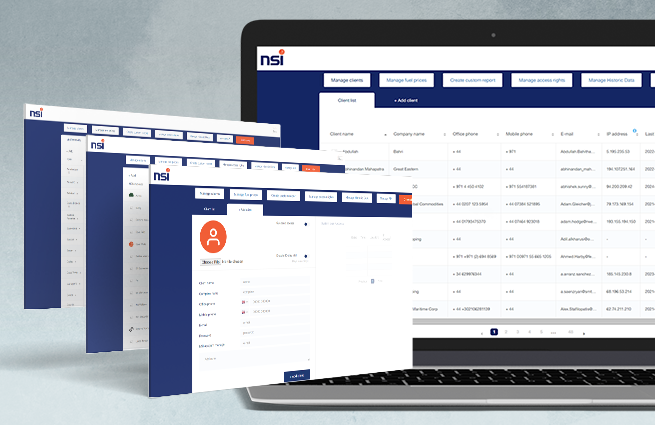
Appeak developed a dynamic Fuel Price Management Portal that enables administrators to manage fuel prices and supplier data while giving users powerful tools to monitor ports, compare prices, analyze historical trends, and track relevant markets through personalized watchlists.
Data & Management Platform
Web
Laravel · HTML · Graphs · APIs
Fuel Pricing · Market Intelligence · Analytics · Reporting
The client faced several challenges around managing and presenting rapidly changing fuel price information.
Bring fuel pricing information from multiple sources into one platform.
Give administrators efficient tools to add, update, and manage fuel prices.
Enable the platform to represent different fuel pricing structures used by the business.
Provide historical data, comparisons, and visual insights into fuel price movements.
Allow users to create watchlists and follow ports relevant to their operations.
Integrate external fuel providers to streamline the flow of market pricing data.
At Appeak, we began by understanding how fuel prices were collected, updated, reviewed, and consumed by different users.
We designed the portal around two primary workflows:
Admin → Manage & Control Market Data
User → Monitor, Compare & Analyze Prices
The administration interface provides centralized control over fuel prices, port information, broker history, reports, and updates.
The user experience focuses on helping customers quickly find relevant ports, monitor pricing, compare markets, analyze historical data, and receive updates through personalized watchlists.
We also integrated APIs from multiple fuel providers to create a more seamless flow of pricing information into the platform.
Administrators can manage fuel prices across different global bunker ports from a centralized interface. This creates a consistent source of pricing information across the platform.
The system allows administrators to update fuel prices efficiently as market conditions change. This helps ensure users have access to current pricing information.
The platform supports different pricing approaches, including:
This allows the portal to represent more complex real-world fuel purchasing models.
Users can access historical fuel pricing information and visualize changes over time. This helps users identify pricing trends and understand how markets have moved.
Users can compare pricing across different ports, making it easier to evaluate available market options.
A structured port-selection experience allows users to quickly locate the markets relevant to their operations.
Users can add specific ports to a personalized watchlist. This allows them to monitor important markets without repeatedly searching through the platform.
The system maintains recent searches, helping users quickly return to previously viewed ports and pricing information.
Administrators can maintain and review broker-related pricing history, providing additional visibility into historical market information.
Administrators can generate and download reports for specific ports, making it easier to analyze and share fuel price information.
The platform integrates with multiple external fuel providers to bring pricing information into the centralized system. This reduces manual data collection and creates a more efficient data pipeline.
Graphs and visual representations help users understand price movements more easily than raw pricing tables.
The portal required an architecture capable of handling frequent data updates, external integrations, and interactive price visualization.
Used to develop the core platform, business logic, administrative workflows, and data management functionality.
Used to build the responsive user interface and portal experience.
Used to present fuel price history and market trends in an easy-to-understand format.
Fuel prices can change regularly, making static data management inefficient.
We created dynamic price management workflows that allow administrators to update pricing information efficiently and maintain historical records.
Fuel pricing information originated from different providers.
We integrated external fuel provider APIs into the platform, creating a centralized data flow for market information.
Different fuel purchasing scenarios require different pricing methodologies.
The platform was designed to support spot, fixed forward, average-of-month, and trigger-based pricing models.
Historical price data can be difficult to interpret when presented only as tables.
We introduced interactive graphs and visualizations to make pricing trends easier to understand.
Users may only need to monitor a subset of global ports.
We introduced personalized watchlists and recent search history so users can quickly return to the markets that matter most.
The platform created a more efficient way for the client and its customers to work with dynamic fuel pricing information.
Fuel pricing information from multiple sources is brought together within one platform.
Administrators can update and manage fuel prices through dedicated workflows instead of relying on disconnected processes.
Historical pricing, graphs, and comparisons give users greater insight into fuel price movements.
Users can compare ports and pricing models to better evaluate available fuel purchasing options.
Watchlists allow users to focus on specific ports and markets relevant to their operations.
API integrations with fuel providers help streamline the flow of pricing information into the platform.
Port-specific reporting capabilities make it easier for administrators to access and share relevant fuel market information.
Appeak Technology specializes in building intelligent digital solutions that combine AI, analytics, automation, and cloud technologies to solve complex business challenges.
Whether you’re building a restaurant management system, analytics platform, AI-powered training solution, or enterprise SaaS application, Appeak Technology delivers scalable, secure, and future-ready software tailored to your business needs.
Fuel pricing is too dynamic to be managed effectively through fragmented systems and manual processes.
The Fuel Price Management Portal transformed complex market information into a centralized, accessible, and data-driven platform.
By combining fuel provider integrations, dynamic price management, multiple pricing models, historical analysis, price comparison, watchlists, reporting, and data visualization, Appeak created a platform that helps users monitor the fuel market with greater clarity.
The result is more than a fuel price portal.
It is a market intelligence platform designed to turn continuously changing fuel data into actionable information.
At Appeak, we build data-driven business platforms that connect complex information, automation, and intuitive user experiences to solve real operational challenges.
Fuel Price Management Software is a digital solution designed to help businesses collect, manage, update, compare, and monitor fuel pricing information from a centralized platform. It can provide administrators with tools for managing prices and reports while giving users convenient access to current and historical fuel price data.
A Fuel Price Management Portal centralizes fuel pricing information from different ports and market sources in one location. It can support multiple pricing models, allow administrators to update pricing data, and provide users with features such as port selection, price comparisons, historical pricing, and personalized watchlists.
Effective Fuel Price Tracking Software can include real-time or scheduled price updates, historical price records, price comparison tools, port-based searches, watchlists, recent search history, reporting capabilities, and external API integrations. These features can help users monitor market movements and access relevant fuel pricing information more efficiently.
A Bunker Fuel Price Management System is designed to organize and manage fuel pricing information across important maritime or bunker fuel locations. It can support pricing approaches such as spot pricing, fixed forward pricing, and average-of-the-month pricing, helping brokers and other users work with different fuel pricing requirements through one centralized system.
A Fuel Price Monitoring Platform can give users easier access to current and historical market information, allowing them to compare prices across selected ports and track specific locations through watchlists. API connections with fuel providers can also help maintain a consistent flow of pricing information, supporting more informed commercial and operational decisions.
Whether you’re managing commodity prices, market intelligence, supplier data, or complex business workflows, Appeak can help transform fragmented information into a scalable digital platform.